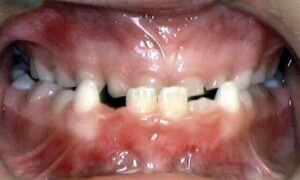
Protrusion happens when the upper front teeth sit too far forward, or the lower teeth sit too far back. Besides changing the look of a smile, teeth that stick out are more likely to be chipped or injured during sports or a fall. Protrusion is usually corrected with braces or clear aligners that gradually move the teeth back into a protected position. For growing children, treating it early can guide the jaws and lower the risk of injury while the teeth are still developing.
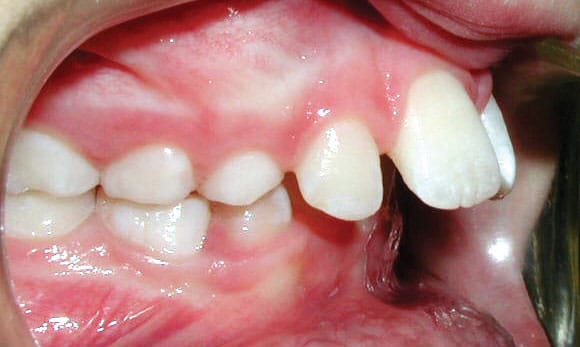
An overbite is when the upper front teeth cover the lower front teeth too much. A small overlap is normal, but a deep overbite can cause the lower teeth to bite into the gums behind the upper teeth, leading to discomfort and extra wear over time. Braces or clear aligners can bring the teeth into a healthier position, and in some cases rubber bands help adjust how the upper and lower jaws meet. Dr. Aten will let you know which option fits your bite best and how long treatment is likely to take.
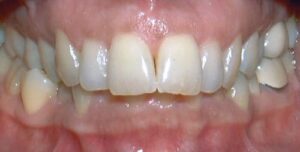
A crossbite happens when some of the upper teeth sit inside the lower teeth instead of slightly outside them. It can happen in the front or the back of the mouth, and if it isn’t treated it can lead to uneven tooth wear, jaw growth that shifts to one side, and jaw discomfort later on. In children, a palatal expander can gently widen the upper jaw while it is still growing, which often corrects the crossbite in just a few months. For teens and adults, braces or clear aligners can move the teeth into the right position.
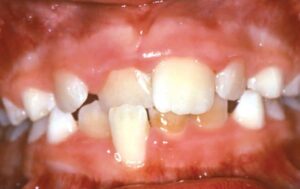
With an open bite, the upper and lower front teeth don’t touch when the back teeth are closed. This can make it hard to bite into foods like sandwiches or apples, and it can affect how some sounds are pronounced. Open bites are often linked to habits like thumb sucking or tongue thrusting, so part of treatment is helping break the habit. Braces or clear aligners can then close the gap so the front teeth meet the way they should.
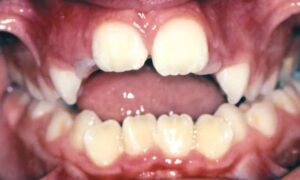
Crowding happens when there isn’t enough room in the jaw for all the teeth to fit, so they overlap, twist or come in out of place. Crowded teeth are harder to brush and floss, which raises the risk of cavities and gum problems. In many cases, braces or clear aligners can create space and line the teeth up without removing any teeth. For younger patients, an expander can make more room as the jaw grows, which helps the adult teeth come in straighter.
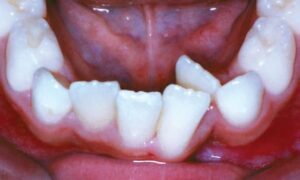
Spacing is the opposite of crowding: there are noticeable gaps between the teeth. Gaps can come from small or missing teeth, a jaw that is larger than the teeth, or habits like tongue thrusting. Besides how they look, gaps can trap food and leave the gums less protected. Braces or clear aligners close the spaces gradually, and a retainer afterward keeps them closed. If a tooth is missing, Dr. Aten can work with your family dentist so the space is ready for a replacement tooth.
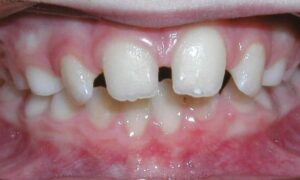
An underbite happens when the lower front teeth sit in front of the upper front teeth when you bite down, usually because the lower jaw is further forward than the upper jaw. It can make chewing and speaking harder and put extra strain on the jaw joints over time. Underbites respond best when they are caught early, while a child’s jaws are still growing, and an appliance can help guide that growth. For teens and adults, braces or clear aligners can often correct the bite, and for more severe cases Dr. Aten will explain every option so you can make the right choice for you.